Feb 26
If you’ve ever planned a home project, you’ve likely asked: “Should we remodel or renovate?”
At Kitchen Kraft Inc., that question is usually the starting point for understanding how a homeowner wants their space to function differently. While the terms matter less than the goals behind them, knowing the difference helps set clear expectations for budget, timeline, scope, and long-term value.
Here’s how we explain remodel vs. renovate, when each makes the most sense, and the practical advice we share before any project begins.
Homeowners today are doing more research than ever before, not just on finishes, but on workflow, livability, and long-term value. That’s a good thing. It means projects start with clearer intent and better outcomes.
That’s why we approach this topic the same way we do in a consultation: practical, honest, and grounded in what actually happens once construction begins.
We focus less on the terminology and more on what clients want to achieve. The real question isn’t what to call the project, it’s how they want the space to function and feel when it’s finished.
In simple terms, a renovation updates what’s already there, while a remodel changes the layout or structure to create a new function. Both can transform a home, but the right choice depends on the outcome you’re looking for.
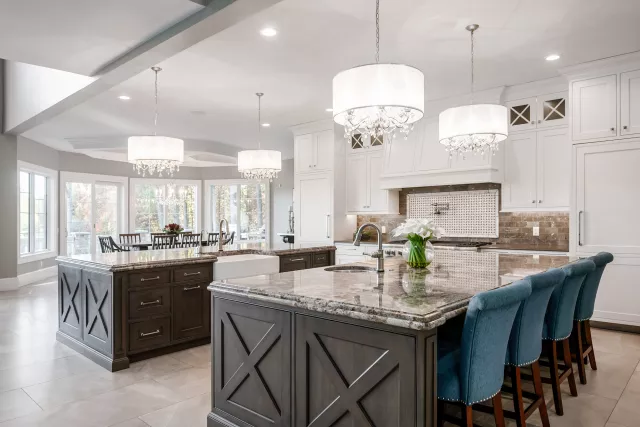
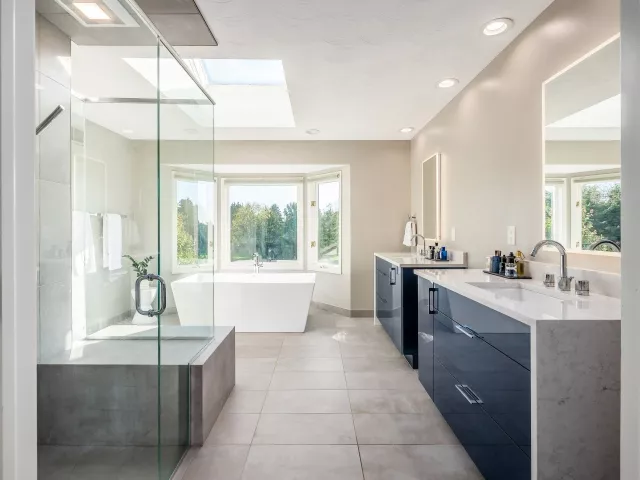
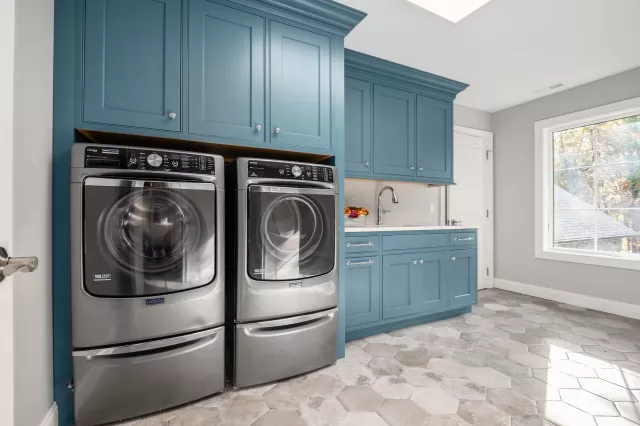
Renovation focuses on updating the space. Examples include new cabinetry, countertops, flooring, lighting, or refreshed finishes. The goal is to improve appearance and modernize the space.
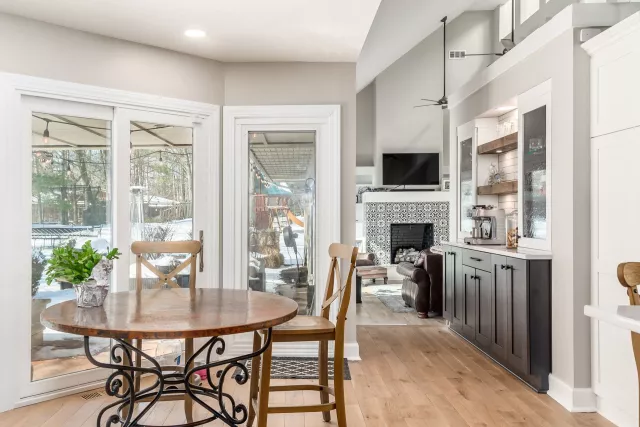
Remodeling goes deeper by changing layout, function, or structure. This may involve removing walls, reconfiguring kitchens or baths, expanding rooms, or improving traffic flow. The goal is to improve how the space works, not just how it looks.
Most homeowners aren’t concerned with the terminology, they just want a better space. Our role is to align the right approach with the desired outcome.
We typically recommend renovation when:
Remodeling is often recommended when:
One of the biggest challenges is separating must-haves from nice-to-haves. Clear priorities help set realistic budgets, timelines, and expectations, and prevent surprises once construction begins.
There’s no universal home renovation timeline or remodeling schedule because every project is unique. Scope, materials, structural work, and permitting all influence timing.
We plan every project using detailed scheduling tools to map milestones and keep expectations aligned from day one.
Whether you’re remodeling or renovating, the biggest cost shifts often stem from hidden complexities.
In remodeling projects, unexpected issues often involve:
Transparency is key, we talk through these possibilities early so clients understand where flexibility may be needed.
Not every change needs to happen at once.
We often help clients phase projects by identifying which elements are essential to the current design and which can wait. For example, certain upgrades, like doors or finish details, can be added later if they don’t impact the core layout.
This phased approach helps balance budget, timing, and long-term goals.
A renovation can refresh a space, but it can’t fix a layout that doesn’t work.
Remodeling allows us to:
In short, renovation changes how a space looks. Remodeling changes how it lives.
If there’s one piece of advice we consistently share at the start of a project, it’s this: choose a remodeler you trust and can communicate with easily.
Construction is a collaborative process. Clear communication, realistic expectations, and a proven process make all the difference in avoiding regret later.
At Kitchen Kraft, our approach has been refined over decades to guide homeowners through each step, from discovery to design to build, with clarity and confidence.
Over the years, a few myths come up repeatedly:
Addressing these misconceptions early helps projects run smoother and feel less stressful.
The difference between remodeling vs. renovation ultimately comes down to what you want your home to do differently.
Both approaches can dramatically improve a home when aligned with the right goals.
If you’re starting to explore possibilities, the best next step isn’t choosing a label, it’s having a conversation about what’s working, what isn’t, and what your ideal outcome looks like.
That’s where clarity begins, and where great projects start.
Schedule a complimentary consultation at our luxury remodeling showroom with one of our award-winning designers.